AI Doesn’t Replace Building Automation — It Makes It Intelligent | AIDA by Building AI Solutions

Building automation has transformed the way commercial buildings operate by controlling lighting, HVAC, security, and other essential systems. But traditional automation is only as effective as the rules programmed into it. Artificial intelligence changes that. Rather than replacing your existing Building Management System (BMS), AIDA, developed by Building AI Solutions, adds an intelligent layer that enables buildings to learn, adapt, and optimize themselves in real time. What Is aida? aida is an AI-powered building intelligence platform designed to work alongside existing automation systems. Instead of relying on fixed schedules or predefined rules, aida continuously analyzes building data and makes smarter operational decisions based on real-world conditions. It transforms building automation from reactive to predictive. AI Enhances Existing Systems One of the biggest misconceptions about AI in buildings is that it requires replacing existing infrastructure. The reality is the opposite. aida integrates with your current building systems, including: This allows organizations to modernize their buildings without expensive system replacements. From Automation to Intelligence Traditional automation follows programmed instructions. For example: aida goes much further. It continuously evaluates: Then it automatically adjusts building operations to maximize efficiency and occupant comfort. Benefits of AI-Powered Building Management Adding AI to existing automation provides significant advantages: Lower Energy Consumption AIDA reduces unnecessary energy use by operating building systems only when required. Improved Occupant Comfort Lighting, temperature, and shading adapt dynamically throughout the day to create healthier indoor environments. Predictive Optimization Instead of reacting after issues occur, aida predicts conditions and adjusts systems before comfort or efficiency is affected. Easy Integration Because aida works with existing infrastructure, organizations avoid costly upgrades while extending the value of their current investments. The future of smart buildings isn’t about replacing automation it’s about making automation intelligent. By combining artificial intelligence with existing building systems, aida helps commercial buildings become more efficient, more sustainable, and more comfortable for everyone inside. Whether managing offices, campuses, healthcare facilities, or commercial properties, Building AI Solutions delivers the intelligence that modern buildings need to perform at their best.
Behind Every Comfortable Workspace: How AI Creates Better Office Environments

A comfortable office doesn’t happen by chance. Behind every productive workspace is a building that intelligently manages daylight, temperature, lighting, and indoor comfort. Modern smart buildings use artificial intelligence to create environments where employees can focus, collaborate, and perform at their best. Solaris makes this possible by continuously analyzing building conditions and automatically adjusting systems in real time. Why Workspace Comfort Matters The quality of an indoor environment has a direct impact on employee wellbeing and business performance. Poor lighting, excessive heat, glare, or inconsistent temperatures can reduce concentration and increase fatigue throughout the day. A comfortable workspace helps: The Difference Between Traditional and Smart Buildings Traditional buildings rely on fixed schedules or manual adjustments. Lights remain on when they are not needed, blinds stay closed or open regardless of the sun, and HVAC systems often waste energy. With Solaris, every decision is based on live building conditions. The platform continuously analyzes: This allows the building to automatically respond before discomfort occurs. How Solaris Creates Comfortable Workspaces Intelligent Daylight Management Solaris adjusts automated blinds throughout the day to maximize natural light while preventing glare on computer screens. Smart Lighting Control Artificial lighting is automatically balanced with available daylight, ensuring consistent illumination while reducing electricity use. HVAC Optimization Heating and cooling systems operate only when and where they are needed, maintaining comfortable temperatures with greater efficiency. Continuous Environmental Monitoring Connected sensors provide real-time data that allows Solaris to make thousands of small adjustments every day without requiring manual intervention. Benefits for Businesses Organizations using AI-driven building automation can benefit from: Smarter Buildings, Better Workplaces Creating a comfortable office is no longer about choosing the right furniture or adjusting the thermostat manually. It requires intelligent building technology that continuously adapts to changing conditions. Solaris brings together AI, automation, and real-time environmental data to transform ordinary buildings into healthier, more productive workspaces that support both people and sustainability. Whether you’re managing an office, commercial property, or corporate campus, Solaris helps ensure every workspace delivers the comfort employees expect and the efficiency businesses need.
How Solaris Uses the Sun to Optimize Your Building

Natural daylight is one of the most valuable resources for any building—but without intelligent management, it can also create excessive heat, glare, and higher energy costs. Solaris transforms sunlight into an advantage by using artificial intelligence, environmental data, and real-time automation to optimize indoor comfort while reducing energy consumption. Instead of relying on fixed schedules or manual adjustments, Solaris continuously analyzes the position of the sun, your building’s orientation, and indoor lighting conditions to determine the ideal shading position throughout the day. Step 1: Tracking the Sun’s Position Every day, the sun follows a different path across the sky. Solaris calculates the exact position of the sun based on your building’s geographic location, date, and time. This allows the system to predict where sunlight will enter the building before it creates glare or overheating. Benefits Step 2: Understanding Building Orientation Every façade receives sunlight differently depending on its direction. East-facing windows receive morning sun, while west-facing façades experience stronger afternoon heat. Solaris maps each façade individually, allowing every window and shading zone to respond independently for maximum efficiency. Benefits Step 3: Monitoring Ambient Light Solaris works with ambient light sensors installed throughout the building. These sensors continuously measure indoor daylight levels in real time. Instead of simply closing shades whenever sunlight appears, Solaris balances natural light with indoor lighting requirements to maintain ideal illumination. Benefits Step 4: Making Intelligent Decisions with AI Using data from sun tracking, building orientation, and light sensors, Solaris automatically determines the optimal shade position. The AI continuously adjusts shading throughout the day to maintain comfort while maximizing energy efficiency. This intelligent automation helps eliminate manual operation and ensures the building always performs at its best. Benefits Step 5: Creating Comfortable Spaces The result is a healthier, more comfortable building where occupants enjoy natural daylight without excessive heat or glare. Comfortable workspaces improve focus, productivity, and overall occupant satisfaction while reducing operational costs for building owners. The Outcome With Solaris, your building doesn’t just react to sunlight it anticipates it. By combining solar calculations, façade intelligence, ambient light monitoring, and AI-powered automation, Solaris creates buildings that are smarter, more efficient, and more comfortable every day. Why Choose Solaris? Solaris helps commercial buildings optimize daylight, reduce HVAC energy consumption, improve occupant comfort, and support sustainability goals through intelligent AI-powered shading automation.
AI-Powered Automated Shading: How Solaris Optimizes Comfort and Energy Efficiency
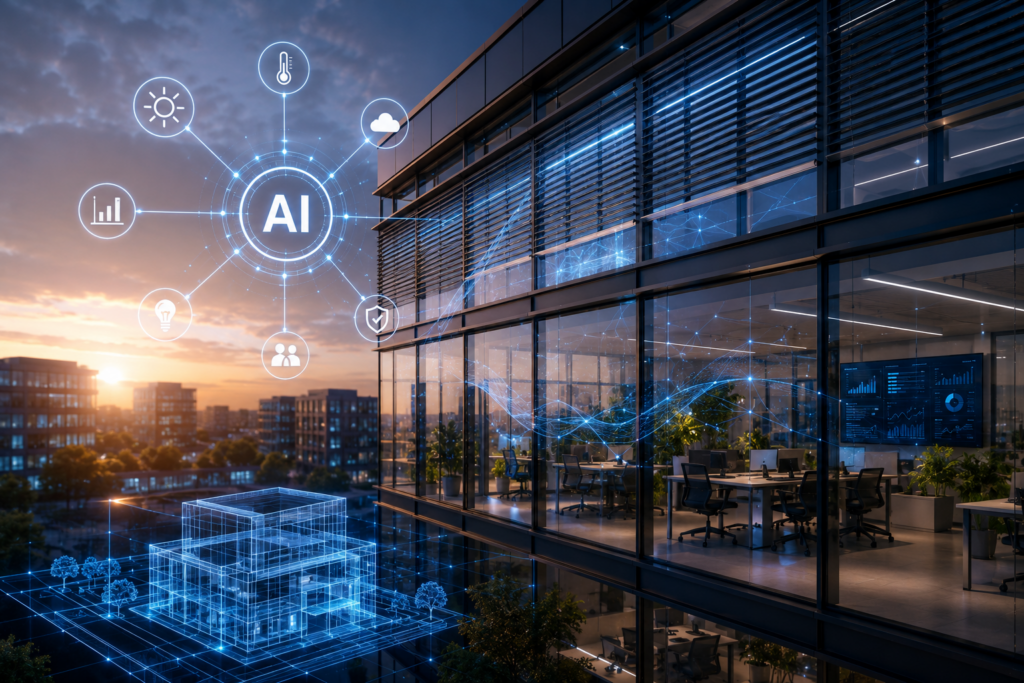
Modern buildings are expected to provide comfortable workspaces while minimizing energy consumption. Achieving both goals requires more than manual blinds or scheduled shading—it requires intelligent automation. Solaris is an AI-powered automated shading solution designed to optimize daylight, reduce glare, and improve building energy performance by continuously adapting to changing environmental conditions. Unlike traditional shading systems that rely on fixed schedules, Solaris makes intelligent decisions using real-time data. What Is AI Automated Shading? AI automated shading is a smart building technology that automatically adjusts motorized blinds or shades based on environmental conditions. Solaris continuously analyzes multiple data sources, including: Using this information, Solaris determines the optimal shade position to maximize natural daylight while maintaining occupant comfort. Why Traditional Shading Systems Are No Longer Enough Many commercial buildings still rely on manual shade control or simple time-based automation. These approaches often lead to: Since sunlight changes throughout the day and across seasons, fixed schedules cannot provide optimal performance. Solaris continuously adapts in real time, ensuring the building responds intelligently to changing conditions. How Solaris Works Solaris combines astronomical calculations with real-time building data. Its intelligent decision engine continuously processes: Solar Position The platform calculates both solar elevation and solar azimuth to accurately determine how sunlight interacts with every façade. Building Orientation Every side of a building receives sunlight differently. Solaris independently manages each façade for optimal daylight control. Sensor Integration Ambient light sensors continuously provide feedback, allowing Solaris to make precise adjustments. Intelligent Automation Instead of waiting for occupants to react to glare, Solaris predicts daylight conditions and adjusts motorized shades automatically. Benefits of AI-Powered Automated Shading Reduce Glare Harsh sunlight creates visual discomfort and screen reflections. Solaris adjusts shades before glare becomes a problem, creating a more comfortable indoor environment. Improve Occupant Comfort Balanced daylight creates healthier and more productive workspaces. Employees experience consistent lighting throughout the day without sudden brightness changes. Lower Energy Consumption Natural daylight reduces the need for artificial lighting. Solaris coordinates shading with lighting control systems, helping reduce electricity usage while maintaining ideal indoor conditions. Increase Building Sustainability Lower lighting demand and reduced HVAC usage contribute to lower carbon emissions and support green building initiatives.